Showing posts sorted by relevance for query winter sowing. Sort by date Show all posts

Sunday, February 26, 2012

Winter Sowing: Grow Beautiful Flowers and Plants Cheaply

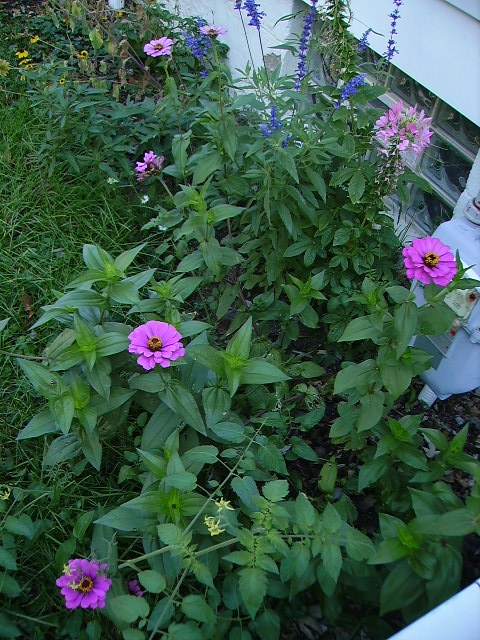
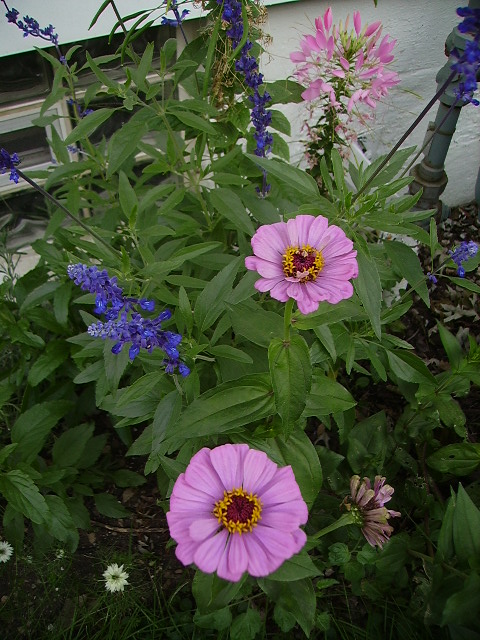
winter-sown zinnias
If you're suffering from a case of spring fever, or just want to enjoy some pretty flowers cheaply come summer, then I highly recommend trying winter sowing.

What is winter sowing? Well, it's a cheap and simple way to grow plants from seeds without needing any fancy equipment, like seed trays and grow lights. Nor do you have to dedicate precious space inside your home or spend time watering, turning, hardening off, or kitty proofing your precious seedlings. Winter sowing only requires some used containers (I prefer milk jugs), potting mix, seeds, and space outside. Not only is winter sowing an inexpensive way to grow new plants, it's also a way to grow things that may not be readily available at your garden center. Specifically, winter sowing works for seeds that need cold stratification, things like perennials, and self-sowing annuals.

poppies!

Why bother winter sowing when you can just direct sow seeds in the garden? If direct sowing seeds works well for you, then by all means go ahead, but it was a giant flop in my garden. In contrast, when I create these little ghetto greenhouses, as I like to call them, I'm able to cheaply grow plants that are hard or expensive at the local greenhouse and my winter sown seedlings are father along, have higher germination rates and are ready to be planted earlier.

Sweet William
Now most of the yearly additions to my garden are winter-sown flowers. I've had success growing zinnias, rudbeckia, columbine, cerinthe, nasturiums, cleome, bachelor buttons, sweet alyssum, Sweet William, poppies of all kinds, cosmos, coneflowers, monarda and more using this method. It's still a little early to try any tender annuals yet this year, like cosmos and zinnias, but I've already sown poppies and Foxgloves so far before I ran out of containers.

So if your game, here's a step-by-step guide to winter sowing. First, the best resource for any and all winter sowing info is wintersown.org. There you will find seed lists by gardening zone, FAQs and more.

cosmos
Once you've studied up, you'll need to gather some supplies. You'll need translucent containers; recycling previously used containers is encourage. Gallon and half-gallon milk jugs are my favorite, but you can also use two-liter bottles, juice containers and whatever else you find handy.

You'll also need fertilizer-free potting mix (not potting soil). The only place I've found this is at a gardening center and I have good luck with Pro-Mix brand. And, of course, you'll need seeds. Once you have your supplies you're ready to get started.

First, punch holes in the bottom of your container to allow for adequate drainage. I use one of the boyfriends pics to do this, but I've also used a drill for heavier plastics. If you're container has a cap you can discard it at this point because you're not going to need it.


Next, if using a jug, cut the top most of the way off, leaving a hinge between the body and lid. At this point I label the inside of the lid with a number. If you label the outside it tends to fade away by planting time and you'll be left with a mystery plant. Next fill 2-3 inches with potting mix, moisten the mix and let it drain. Then add seeds, cover them lightly with mix, and tape the container back together.


Now all that's left is to put your container outside, in a place where it will receive rain and sun, and sit back and relax until spring. Snow on the way? No worries! Your seeds will know when to sprout.

my collection of ghetto greenhouses

Sunday, January 6, 2008

It's Beginning to Look a Lot Like Planting Time

I realized yesterday that I really miss gardening. I miss getting my hands in the dirt. I miss checking on the beds daily to see what has grown or bloomed. I definitely miss bringing in fresh tomatoes for dinner or flowers to spruce up the house. This is surprising because I'm a newbie who up until two seasons ago never gardened a day in my life. And by the end of last September I was so done, especially with the constant watering. But now, after a short break, I'm ready to get back out there.

Last night while we were out shopping, I happened to spot some seeds at the Andersons. "Seeds!" I cried happily, as if spotting a long-lost friend, while the boyfriend groaned loudly. Apparently he has had his fill of spending time with me in garden centers and aisles. Can't understand why.

I was especially happy to see these seeds because it's almost planting time, and I prefer to shop in person than online. Yes, you read that right, it's planting time , if you winter sow. I've never done it before so I have absolutely no advice to give, but I've been dying to try it since I read about it last season. Cheap plants without lights, mats, or other fancy indoor equipment? Count me in! Actually you can start winter sowing anytime after the winter solstice, but since central Ohio weather is so unpredictable, February seems like a good time to start. I might plant a jug or two today along with some cat grass just to scratch my gardening itch.

Now it's time for me to get serious. Time to whittle down my plant wishlist (which includes almost everything) to a realistic list of items for winter sowing. The Andersons had some tempting seeds to add to the list. I definitely, definitely will have to buy lemon cucumbers. Not for winter sowing, but to plant in the spring. I mention them because you must try them, they're delish. Of course I'll have to winter sow lots of cosmos after being sooo happy with them last season. I am also tempted to try cosmos bright lights, even though they don't fit in my typical gardening color scheme, their bright, cheerful colors are so tempting.

I fell asleep last night thinking about all the great possibilities for my garden next season. Maybe this is the year my sparse beds will begin to look like full, lush cottage garden beds. Maybe this is the year I'll have enough blooms outside to be able to bring more inside. Maybe I'll finally have too many blooms to list on Green Thumb Sunday! ;) Ah the possibilities of planting time...


Gardeners, Plant and Nature lovers can join in every Sunday, visit As the Garden Grows for more information.

Thursday, May 20, 2010

Gardening for the Rest of Us, Part II

Read Part I here

My second gardening season I bought some more flowers from a mail order company (cough, Michigan Bulb, cough), because that seemed like a more affordable option. I still tried to follow my great gardening plan where I could and adjust it as needed, but after a while I just started plopping things in where I thought they would look good. I supplemented the mail order plants with cosmos and a few perennials I found on sale locally for 33 cents each. I also direct sowed some seeds right into my flower beds.

Some of these efforts did better than others. Half of the plants I ordered either didn't bloom in the first place, or didn't come back a second year. Direct seeding wasn't a great success either, although some things like bachelor buttons and sweet alyssum did grow and even bloom from seed. The tiny perennials I bought locally did the best of all of the plants that year, and I still have most if not all of them. Still, my garden was sparse. I longed for the lush full gardens that others had, but I figured creating my garden would be gradual process. Every year it got a little better.

That winter I discovered something that would make the biggest difference in my garden: winter sowing. I was skeptical that you could plant seeds in plastic bottles and containers in winter and get plants in spring, but I decided to give it a try. And you know what? It works! If you want to have a variety of plants cheaply, then you must try winter sowing.

Now most of the yearly additions to my garden are winter-sowed flowers. This spring I planted poppies, zinnias and holly hocks, all of which were winter-sowed. I've also successfully winter sowed Irish Eyes Rudbeckia, columbine, cerinthe, nasturiums, cleome, bachelor buttons, sweet alyssum, Sweet William, poppies of all kinds, cosmos, coneflowers and more.

Read part III

Friday, May 28, 2010

Gardening for the Rest of Us Part III: Tips for Newbie Gardeners

The side-garden today with winter-sown poppies and Sweet William and
Coreopsis purchased from the farmer's market. None of these plants were here when I moved in.


Read part I and part II of this series

After three seasons of gardening, my garden is finally growing into the lush cottage garden I dreamed of. It's not perfect, nor is it done, but that's part of the fun. I've learned that the biggest skill you need in gardening is patience. You don't have to be an plant expert, or have a huge budget, to have a pretty garden that makes you happy.

I've also learned that some of the serendipitous plantings are the prettiest. The less I baby my garden, the better it seems to do. The garden is finally beginning to fill up, which means lots of fun surprises and blooms each year. I still don't feel like a gardening expert, but I know I don't have to be. And neither do you!

Wintersown Irish-Eyes Rudbeckia

Tips for creating a garden for newbies:
  1. You don't need to have a perfect plan before you start gardening. If you are a planner, then by all means, plan away! But if not, don't let that stop you from creating your garden. Plants can be moved. It's more important to make sure you're planting something that will grow easily in your area and the planting site.

  2. You can become knowledgeable about gardening for free. A little gardening knowledge goes a long way when you're starting from scratch, and helps boost your gardening confidence, and you can get it for free! Go to the library, read gardening blogs, visit your local university's extension site, etc.

  3. Gardening isn't rocket science. Just get out there and try it. Follow planting directions, try compost instead of chemical fertilizer, weed sometimes and then let them go. Sure some of your plants might not make it, but most will. If something dies you can always try again next season. This is easier to do with cheap plants, see above.


  4. If something doesn't grow in one spot, try again in another.

  5. Improve your soil. But you don't need to use synthetic fertilizers or other expensive add-ins to do so. Just start a compost pile and add compost before planting and whenever you can. I try to add compost when I plant (some of my beds have more clay than others and need more compost).

  6. Want cheap plants? Try winter-sowing, direct sow seeds, swap plants with friends and neighbors and learn how to propagate plants.

    This is the best year yet by far for my 33-cent Cottage Pinks

  7. Watch for sales. If you're patient, you can find most things you need for your garden on sale, including seeds, potting soil (for winter-sowing), plants, garden tools and more. Those 10 cent seed packs you can find at Walgreen's and other places work just fine. Many of the perennials I bought from garden centers were just 33 cents each. I found lilacs for $5 and a peony for $3.95. If you're patient, you can save a lot. Also check garage sales to find gardening tools on the cheap.

  8. Some perennials won't do much until the second year, so don't count anything out until you see what comes back next season. And on the third year, watch out, they'll really start to show their stuff!


Sunday, October 5, 2008

Introducing the Side Garden

I'm thrilled with my little side garden, even though it's still very much a work in progress. All the flowers in my side garden were grown last winter as part of my winter sowing project.

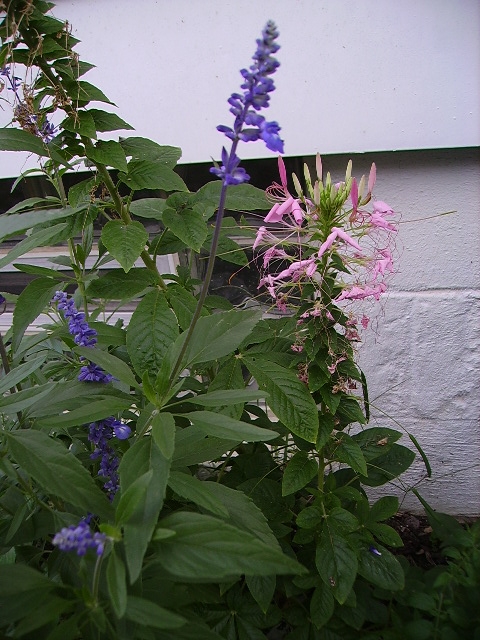
My goal in planting them here was to have something pretty to look down on out of my bedroom window. Unlike my other garden beds, I just plunked the tiny seedlings into the small bit of cleared former rock-filled yard. I just love the way it turned out, just like the cottage garden style I'm going for! There's Zinnia, Love in a Mist, Cleome, Brown-Eyed Susans, some mystery purple flowers I've now sure of (the spikey ones, in case anyone can help me out), and even a tomatoes plant or two (thanks to the compost). These plants are so large and healthy too.

See the tiny little white Love in a Mist? I just noticed them today, although those seeds were three years old!

This little side garden has made me a winter sowing convert for life!

Gardeners, plant and nature lovers can join Green Thumb Sunday every Sunday, visit As the Garden Grows for more information.

Sunday, July 10, 2022

Poppies!


Last year I started watching British gardening show institution Gardener's World. In addition to learning a lot of useful gardening tips, I also became obsessed with breadseed poppies (papaver somniferum). I love their gorgeous colors and the fact that they bloom in late spring to early summer. 


I ordered some Hungarian Blue Breadseed Poppy seeds from Baker Creek Heirloom Seeds and Burpee, and planted them via the winter sowing method and by direct seeding them in winter as recommended by the Impatient Gardener. Though, to be honest, I was skeptical about direct sowing them since I tried doing so with other varieties in the past without success. Previously, the only poppies I've successfully grown more than one or two of are oriental poppies, which do return every year.

While both methods worked, I think the seeds I direct sowed ended up much larger and more robust, so I'll only direct sow them in the future. Hopefully I'll be able to do so with seeds from the ones I grew this year. And let me tell you, those poppies did not disappoint! These gorgeous blooms will have a permanent spot in my garden from now on.

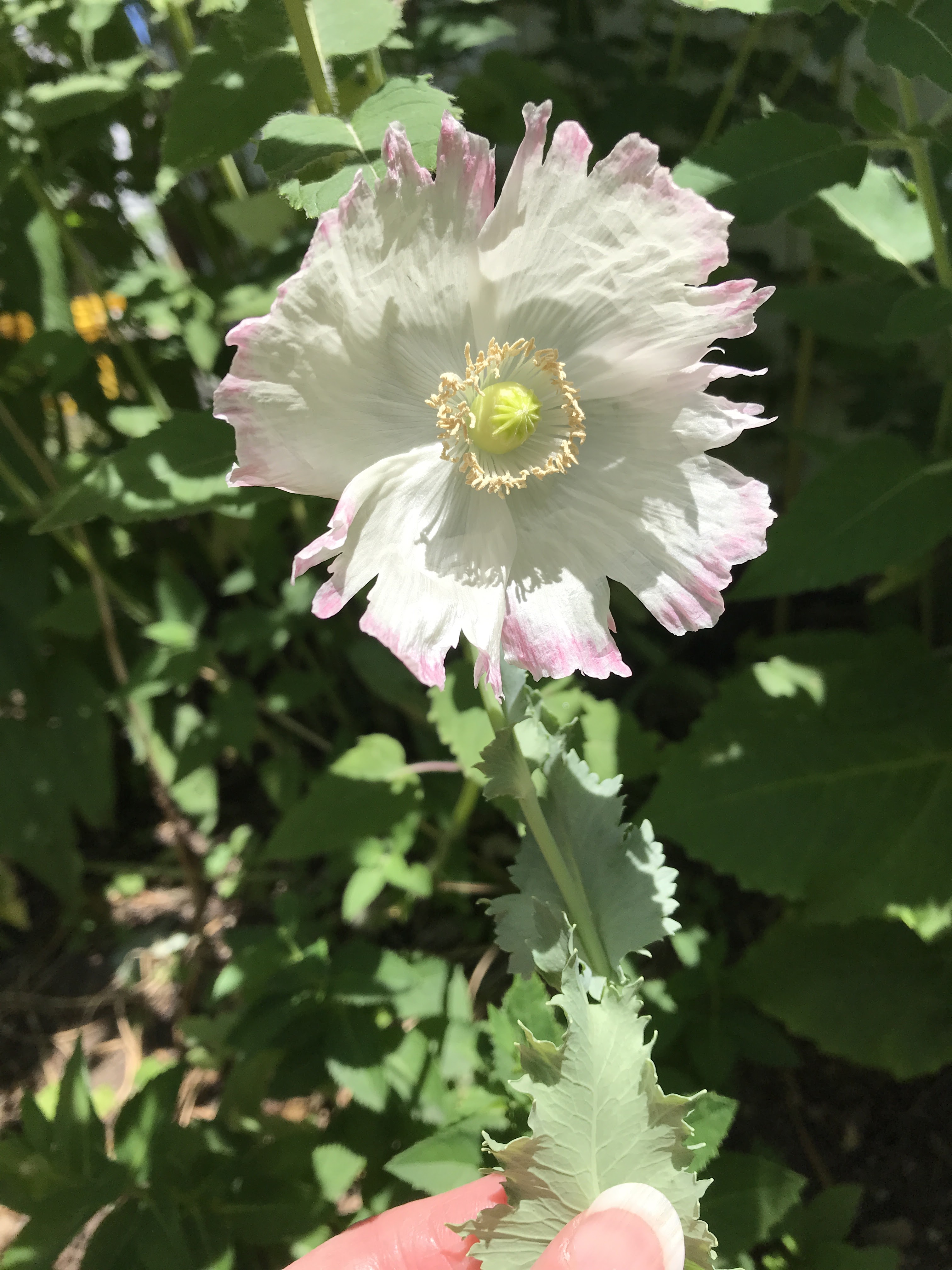
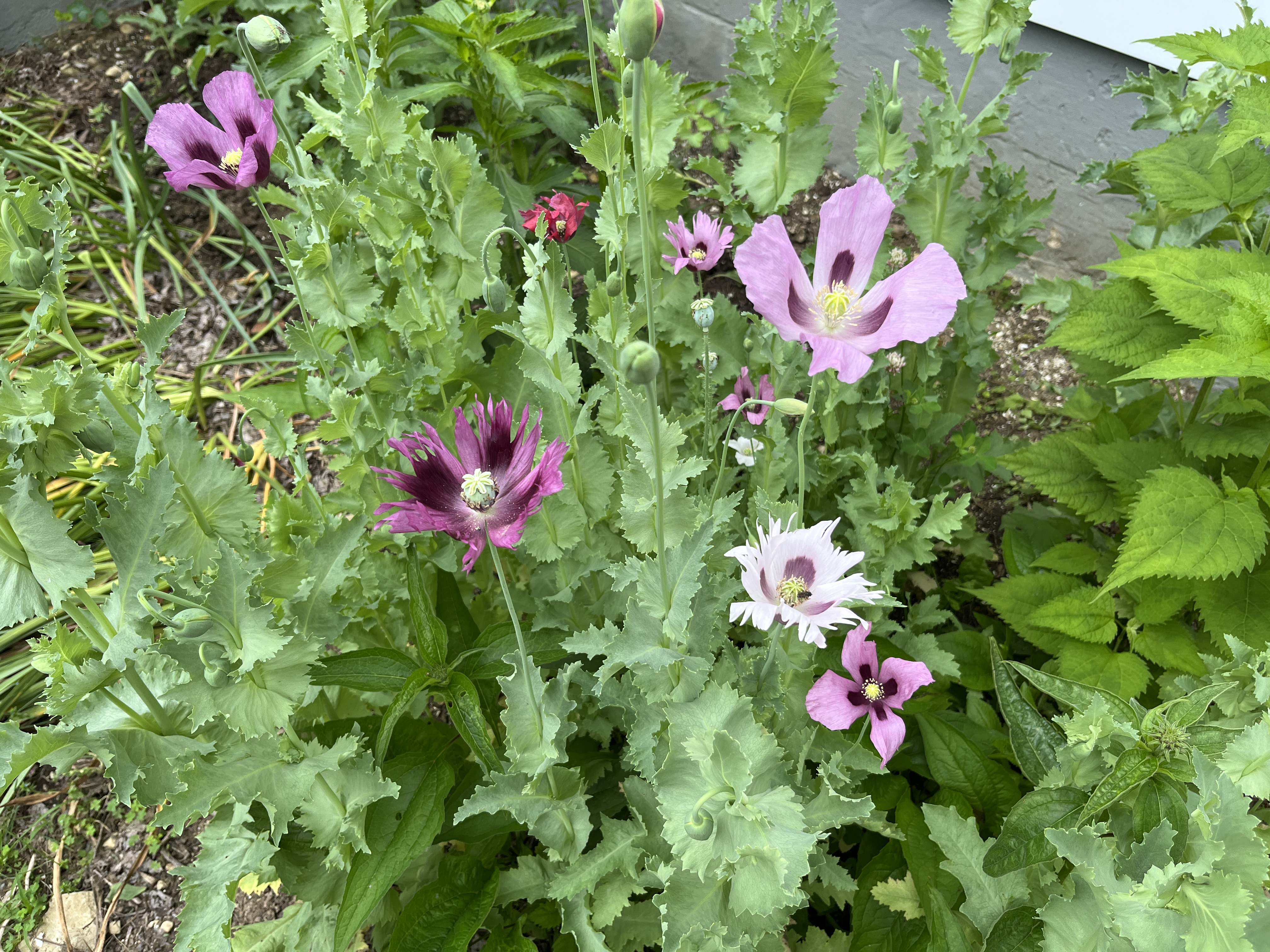
All of the photos above show the variation of colors in the poppies that sprouted, ranging from white to lavender to deep purple and I love them all. Plus it's fun to see what will pop up next. They bloomed throughout the month of June into early July, vastly extending the time I get to enjoy poppies beyond the few weeks in May when my oriental poppies bloom.

I also tossed some old peony poppy seeds I had on hand and some of those came up as well.


My challenge for next year will be trying to grow them in clumps instead of so spread out. Tips welcome!

Do you have a favorite poppy?

Sunday, June 15, 2025

June Blooms

It officially feels like summer in my central Ohio zone 6b garden. Some things are still behind, but it's heating  up and so far we're still getting enough rain to keep the garden looking fresh. It's been in the high 70s and 80s for the last week and by next weekend we're expecting to be in the 90s. The hot temps are a little too warm for me, but that's summer in Ohio.

This week I'm most excited about my favorite poppy, the breadseed poppies (papaver somniferum). These are from a heirloom mix I purchased from Select Seeds last year. I  saved and direct-sowed thos seeds in early spring and this is the result. I just love the variety and go outside each morning to see what new variations have bloomed.

This is the first dahlia to bloom this year. While pretty, it's certainly not Penhill Dark Monarch as advertised. That's the risk of buying from a big box store I guess.


And this yellow dahlia is a surprise as I thought I'd pulled the yellow dahlias last year (they don't quite fit my color scheme). But here is one I missed that survived winter. The bees will love is, so it'll stay for the season and I'll reevaluate it this fall.

'Alaska' Shasta daisies


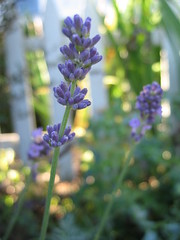
I have a bunch of lavender and wouldn't be without it. I like to dry a bit each year to display as dried flowers in winter. And the bees love it.

bellflowers


My first-ever clary sage (Salvia sclarea v. turkestanica); bloom and it's so unique. I grew this biennial from seed last year via winter sowing and this is the first one to bloom. It has also been completely deer resistant so I plan to grow more in the future.


The lamb's ear is also blooming. It's not my favorite look, but the price was right on these (free) and the  bees have been enjoying it.

Also in bloom are salvia farinacea, pansies purchased in March (well worth it), a few coneflowers and foxglove beardtongue.

That's it for this month in my garden; visit May Dreams Gardens to see what is blooming elsewhere.

Sunday, December 30, 2007

Garden Showdown: Online vs. Locally Purchased Plants

It's been awhile since I've had anything to post on Green Thumb Sunday since it's winter and I live in Ohio. But this is a perfect time to take stock of how my new plants did in 2007 and to see how plants purchased from local nurseries compare to those purchased online.

Purchased online from Michigan Bulb Co.:

  • Canterbury Bells (Campanula) - $7.99 for three bareroot plants. One bloomed, then died.
  • Bellflower (Campanula glomerata) - $7.99 for three potted plants. Saw good growth on two plants, but no blooms.
  • Double Anemones (Anemone coronaria St. Brigid Group) - $5.99 for 40 bulbs. Planted in summer so too late to see anything this year. I just read that I should have pulled these bulbs up this fall for winter storage, so I don't have a lot of hope of seeing these next season.
  • Liatris (Liatris spicata 'Alba') - $5.99 for 20 white bulbs. Saw growth on 10-12 bulbs, but no blooms.
  • Mixed Lupines (Lupinus polyphyllus (Russell Hybrid)) -$7.99 for three bareroot plants. Two started to show growth then dried up and died. I never saw anything from the third.
  • Mini Hollyhocks (Sidalcea malviflora) - $7.99 for six potted plants. Saw growth on several; one tiny hollyhock bloomed.
  • Scabiosa (Scabiosa columbaria 'Butterfly Blue') - $5.99 for three potted plants. Some growth and profuse blooms.

Purchased from local nurseries:


  • Lavender - $0.99 for three cell-pack size plants. All three showed great growth, and two plants bloomed.
  • Coneflower - $0.99 for three cell-pack size plants. All three showed good growth and one bloomed just before killing frosts arrived.
  • Cosmos - approx. $3.18 for eight plants. Good growth and bloomed profusely.
  • Miss Kim Lilac, Dwarf - $10 for two plants. Little growth and few blooms. May not have watered enough.
  • Shasta Daisies - $0.99 for three cell-size plants. Good growth, but no blooms.
  • Strawberry Dianthus - $0.99 for three cell-size plants. Not a lot of growth, but blooms.
  • Veronica Speedwell - $0.99 for three cell-size plants. Great growth and bloomed profusely.
Now to be fair to Michigan Bulb Co., they have a policy of replacing plants. I haven't tried to contact them about replacing my plants because I think I may have had a hand in their deaths. We also had a very, very dry summer and I didn't always water as much as I should have.

After these results I plan to stock up at the local nurseries when they have great sales and save online plant ordering for rare plants I can't find anywhere else. Of course perhaps my winter sowing efforts will be so fantastic I won't need to buy any plants this Spring. Yeah, I'm not holding my breath on that one either.


Gardeners, Plant and Nature lovers can join in every Sunday, visit As the Garden Grows for more information.

Friday, June 20, 2008

My First Poppy


This Iceland Poppy is my first winter-sown flower. Isn't it beautiful? I usually avoid orange flowers in my garden, but wow, I love this color.

This is also official proof that winter sowing does work. It's also proof that I should have planted all the other winter-sown seedlings earlier too. I am still not quite done planting actually.

Sunday, January 20, 2008

It's 13F -- Time to Winter Sow!


Seed collecting can be very addicting. My seed collection is starting to get out of hand, and this pic was taken before I bought ten more packs of seeds today (for just $1 at Walgreens). So today, despite that it was below 20 degrees out, I winter sowed a few more jugs. In the kitchen of course.

My little cluster of ghettos greenhouses is growing, but I'm going to need to get busy soon if I plan to sow all those seeds. So far I've planted Penstemon, Coneflowers, Canterbury Bells and Sweet Peas.

Wondering what all this winter sowing business is about? Find out more at wintersown.org and check out Kylee's pictorial at Our Little Acre.

Saturday, September 19, 2009

The Garden's Not Done Yet

This hasn't been a good summer for blogging, too much to do too little time, but it's been a great summer for my garden! I didn't want to miss yet another Garden Bloggers' Bloom Day, so here's a better-late-than-never trip through my September garden.


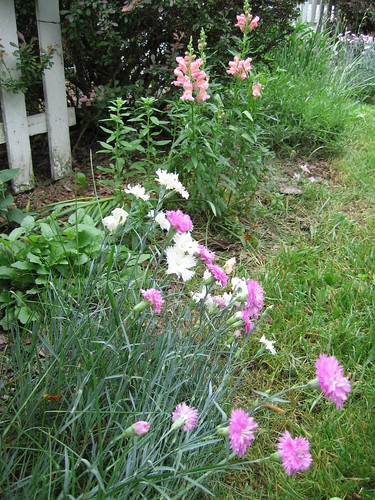
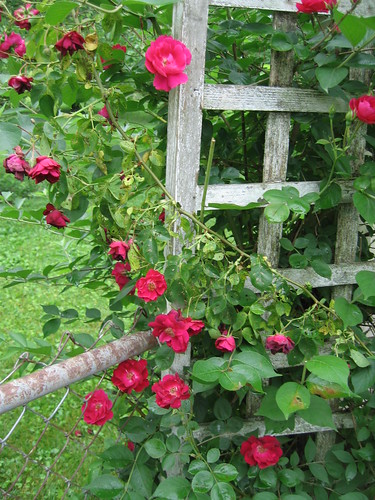
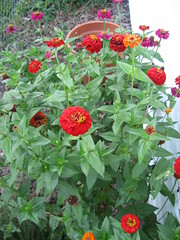
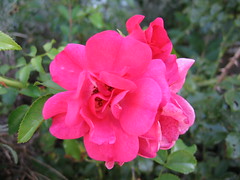
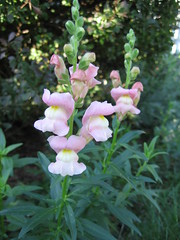
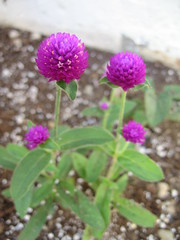
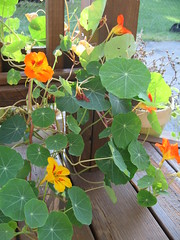
Pic details: 1) zinnias*, 2) zinnias*, 3) roses, 4) poppies*, 5) snapdragons* 6) globe amarath* 7) lavender 8) Irish-Eyed Rudbeckia* and 9) nasturiums*.

I especially love that most of these flowers were winter-sown (everything marked with an asterisk). Winter-sowing is a super-easy way to get loads of interesting and cheap plants without having to babysit seedlings.

Want to see more blooms? Visit May Dreams Gardens every month on the 15th to see what's blooming in gardens around the world.

LinkWithin

Blog Widget by LinkWithin